
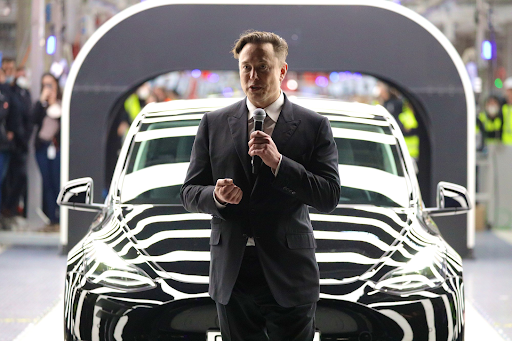
In a move reminiscent of a central bank intervening to stabilize a market, Elon Musk has just acted as a private federal reserve for Tesla. His nearly one-billion-dollar purchase of stock was a direct liquidity injection, designed to boost confidence and ensure the smooth functioning of his company’s ambitious growth plans amid a tightening economic environment.
As global financial conditions tighten, capital can become scarce and expensive. This can threaten the “plumbing” of a company’s long-term projects. Musk’s action is a form of “quantitative easing” for his own company, using his personal balance sheet to pump liquidity and confidence directly into the system.
The 8% stock rally is the market’s immediate and positive reaction to this intervention. Just as markets cheer a central bank’s commitment to support the economy, investors are cheering a founder’s commitment to support his company’s stock and its future. It alleviates fears of a “credit crunch” for Tesla’s R&D.
This move ensures that the most capital-hungry parts of Tesla—its AI and robotics divisions—will not have their funding lines squeezed. They can continue to operate and expand, drawing on this newly injected capital and the confidence it inspires.
In essence, Elon Musk has taken on a role that transcends that of a typical CEO. He has become the guarantor of financial stability for his own enterprise, using the immense power of his personal wealth to conduct a monetary policy of one, with the sole mandate of ensuring Tesla’s unstoppable growth.