
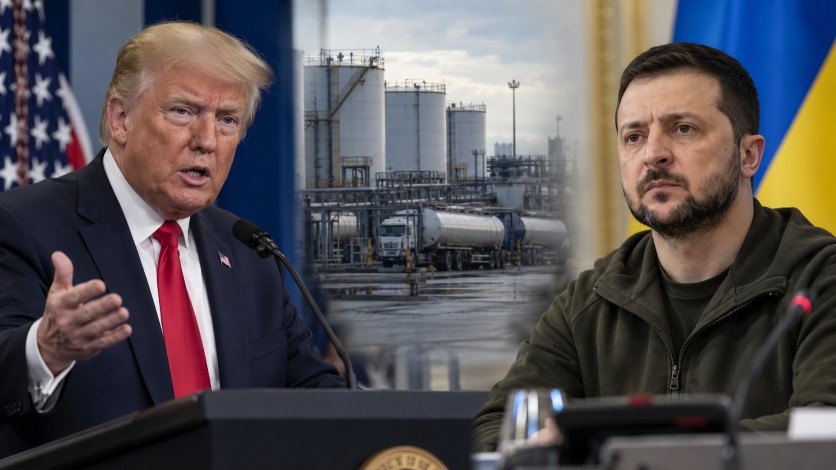
US President Donald Trump’s recent remarks calling for a change in Ukrainian leadership have sparked further tensions between Washington and Kyiv amid the ongoing conflict with Russia. Trump’s comments came after he announced an agreement to purchase significant quantities of Russian diesel, a decision that has been met with criticism from Ukrainian President Volodymyr Zelenskyy and European allies.
Trump accused Zelenskyy of missing opportunities to negotiate an end to the war with Russia, suggesting that new leadership could potentially broker a peace deal. This stance has strained diplomatic relations, as efforts to resolve the conflict remain uncertain. Zelenskyy condemned the diesel agreement, arguing that easing sanctions on Russian energy exports would provide Moscow with additional revenue, which could be used to fund its military operations.
The Ukrainian president voiced concerns that the agreement would benefit Russian President Vladimir Putin and noted a correlation between the deal and renewed Russian attacks on Ukrainian civilian areas. Recent strikes on the southeastern city of Zaporizhzhia resulted in civilian casualties, including children, and caused widespread power outages in Kyiv, underscoring the vulnerability of Ukraine’s energy infrastructure.
European governments have also expressed worries that increased Russian energy revenue could undermine the sanctions imposed since the invasion of Ukraine. Leaders from Germany and Sweden have reaffirmed their commitment to maintaining economic pressure on Moscow, arguing that Russian energy revenues continue to finance the conflict.
A point of contention between Trump and Zelenskyy is Ukraine’s strategic use of long-range attacks against Russian oil refineries. Trump contends these strikes exacerbate fuel supply issues, while Zelenskyy asserts that targeting Russian energy facilities is crucial to weakening Moscow’s war financing capabilities. Reports suggest that US representatives have even considered limiting intelligence-sharing with Ukraine if Kyiv does not cease its attacks on Russian energy infrastructure.
This ongoing dispute highlights the growing divisions among Ukraine’s international partners regarding strategies to end the war. As Washington explores economic and diplomatic avenues for a settlement, Kyiv remains adamant that any agreement must prevent Russia from acquiring additional resources to prolong its military campaign. European leaders continue to navigate the delicate balance of supporting Ukraine while managing diplomatic relations with the United States.