
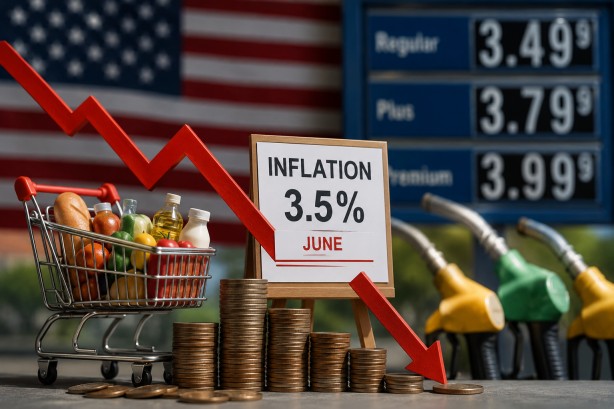
In June, the United States experienced a slowdown in annual inflation, which eased to 3.5%, largely influenced by a temporary drop in energy prices that brought down overall consumer costs. The latest Consumer Price Index (CPI) data reveals this moderation follows a period of higher inflation in earlier months. A notable contribution to this decline was a 0.8% decrease in prices compared to May, driven primarily by reduced gasoline and fuel costs. These reductions helped counterbalance rising expenses in areas such as food, housing, and utilities.
Core inflation, a key measure for the Federal Reserve that excludes the more volatile sectors of food and energy, also saw a slight decline, reaching 2.6% on a year-over-year basis. This measure is crucial for policymakers as they consider the broader inflation picture without the short-term noise of fluctuating energy and food prices. Despite this easing, potential challenges loom as geopolitical tensions in the Middle East have started to push global oil prices upward once more.
The increase in crude oil prices is already having a ripple effect, leading to higher fuel costs for consumers and escalating operating expenses for industries reliant on transportation, like aviation. These developments suggest that the recent relief in inflation may be temporary, as the global oil market continues to influence domestic price levels.
As the Federal Reserve prepares for its upcoming policy meeting later this month, the central bank faces the task of evaluating the latest inflation figures against current labor market conditions. Although inflation has shown signs of moderation, it remains above the Fed’s long-term target of 2%, creating uncertainty regarding the timing of any future adjustments to interest rates.