
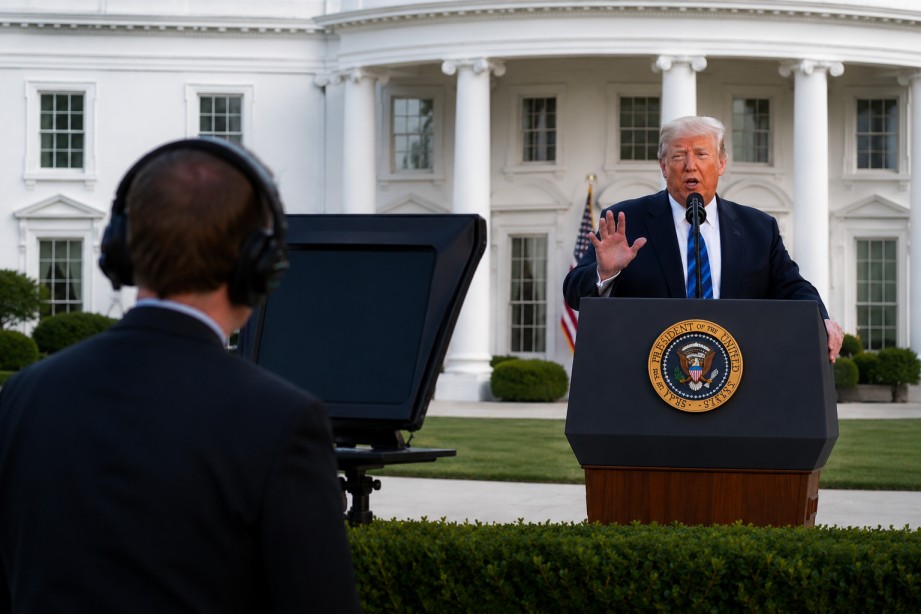
Gabriel Perez, who has served as President Donald Trump’s teleprompter operator for a significant period, has been placed on unpaid administrative leave by the White House. This decision follows serious allegations that Perez utilized his advance access to presidential speech content to make lucrative bets on an online prediction market. The incident has been labeled as “deeply unfortunate” by White House Press Secretary Karoline Leavitt, who emphasized the administration’s commitment to upholding strict ethical standards. In light of these circumstances, an alternate teleprompter operator was appointed for President Trump’s most recent televised address.
Reports suggest that Perez managed to accumulate over $100,000 by engaging in betting activities on Kalshi’s prediction markets. These platforms allow users to wager on whether certain words or themes will be mentioned in public speeches. The platform noticed unusual trading patterns, which led them to alert federal regulators, prompting an investigation into the matter. The focus of the probe is to determine whether Perez exploited insider information to secure an unfair advantage.
This case emerges at a time when prediction markets are facing increased scrutiny from regulators, who are intensifying their oversight of potential insider trading activities. As these markets gain popularity, concerns about the integrity of information and the potential for misuse are becoming more pronounced.
The implications of this investigation could be far-reaching, as it highlights the vulnerabilities within prediction markets and the critical need for transparency. If the allegations are confirmed, it might prompt a reevaluation of the existing regulatory frameworks governing such markets, ensuring they are equipped to handle the complexities of insider trading threats.
As federal authorities continue their investigation, the administration’s response underscores the importance of maintaining ethical boundaries and the repercussions of overstepping them in a role as sensitive as Perez’s. The ongoing inquiry will likely contribute to ongoing discussions about the need for robust regulatory oversight in emerging financial markets.