
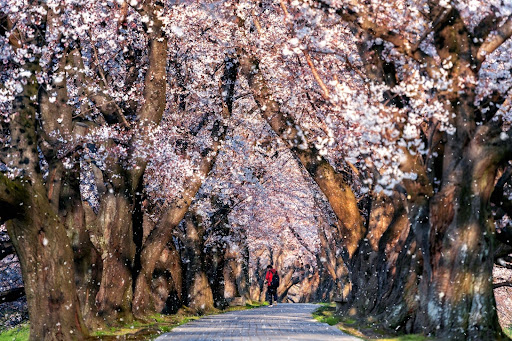
While tourists marvel at the beauty of the blossoms, for the people of the Indian Himalayas, the flowers are the first step in a critical agricultural cycle. The transition from flower to fruit is a period of intense activity and high stakes for thousands of farming families. Every petal that falls represents the potential for a successful harvest of apples, plums, or apricots.
The pollination process that occurs during the few days of peak bloom is a delicate natural feat. Farmers often keep beehives in their orchards to ensure that the flowers are properly fertilized. This symbiotic relationship between the trees, the insects, and the humans is the foundation of the region’s fruit industry.
Weather is the greatest variable during this phase, as a sudden hailstorm or heavy frost can destroy the blossoms and ruin the year’s crop. Farmers must be vigilant, using traditional and modern methods to protect their trees from the elements. The “magical” sight of the blossoms is therefore also a time of great responsibility and hard work.
The economic importance of this transition cannot be overstated, as the fruit industry is a primary source of income for states like Himachal Pradesh and Ladakh. The success of the spring bloom determines the availability and price of organic produce in markets across the country. It is a reminder of our deep connection to the land and its seasonal rhythms.
As organic farming gains popularity, there is an increasing focus on maintaining the health of the orchards through sustainable practices. Avoiding harmful chemicals ensures that the pollinators can do their work safely and that the fruit is of the highest quality. The journey from flower to fruit is a story of resilience and cooperation.