
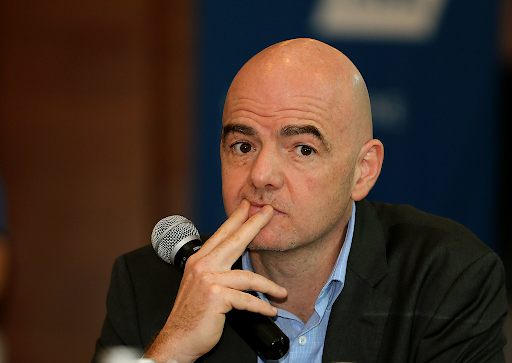
The 64-team World Cup debate placed FIFA President Gianni Infantino in a classic balancing act: how to appease important allies without upsetting the entire system. His handling of the situation—granting a meeting but allowing the council to reject the plan—demonstrates a deft political touch aimed at maintaining stability.
On one hand, Infantino has strong ties to the South American confederation, Conmebol. Their support was crucial in his presidential elections, and maintaining that alliance is a political necessity. By hosting their delegation in New York and giving their proposal a serious and respectful hearing, he fulfilled his role as an accessible leader and maintained good relations with a key constituency.
On the other hand, he could not afford to alienate the rest of the football world, particularly the powerful European bloc and the majority of his own council. Pushing for a proposal that was so clearly unpopular would have been a high-risk gamble, threatening to create a major rift within his administration and undermine his authority.
His solution was to walk a fine line. He played the part of the open-minded president, while allowing the institutional mechanisms of FIFA—namely the council and the public statements of his vice-presidents—to do the work of rejecting the proposal. This allowed the “no” to be a collective decision, rather than a personal edict from him.
In this balancing act, Infantino succeeded. He has kept his South American allies at the table while reassuring the rest of the system that he will not pursue radical changes without a broad consensus. It’s the kind of political maneuvering essential to governing the complex world of FIFA.