
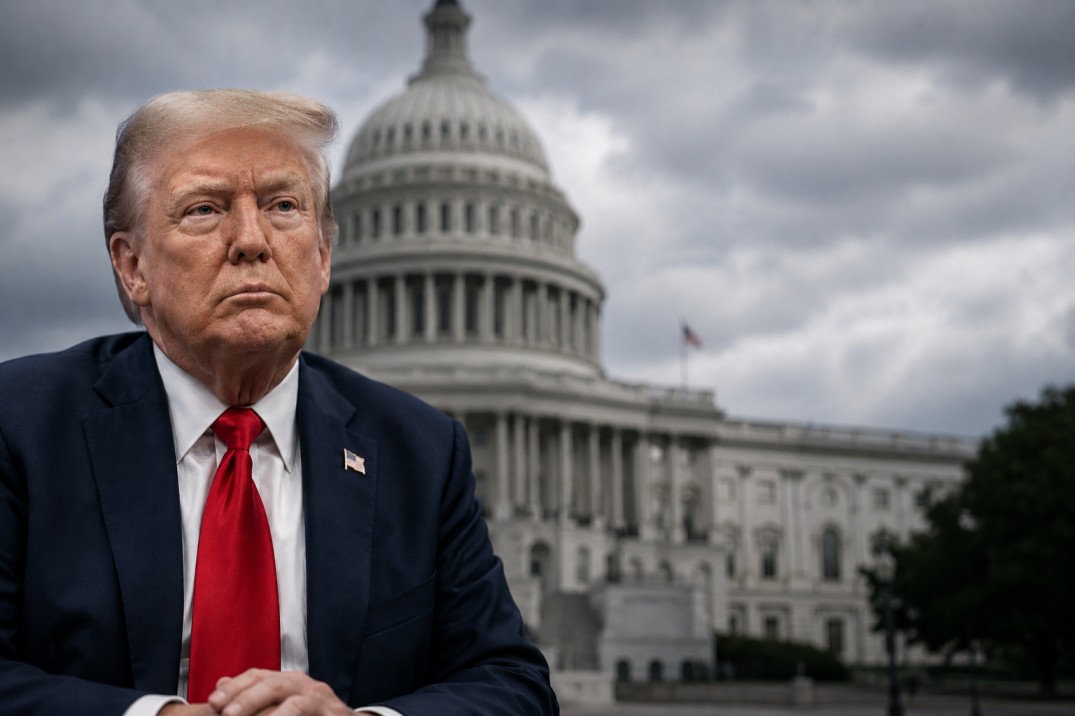
The Trump administration has intensified its scrutiny of election processes across the United States by dispatching letters to election officials in every state and Washington, D.C. These letters, sent by the U.S. Department of Justice, caution that officials could face criminal charges if they permit noncitizens to register or vote in federal elections. The letters emphasize the necessity for states to adhere strictly to federal laws that mandate only eligible U.S. citizens participate in federal elections.
Accompanying the warnings, the administration has requested that state officials detail within five days the measures they are implementing to maintain accurate voter rolls and prevent ineligible voters from casting ballots. This initiative represents a notable intensification of federal involvement in election oversight, a domain typically managed by state and local authorities. The administration has consistently advocated for stronger safeguards against noncitizen voting, despite the absence of evidence indicating widespread noncitizen voting impacting U.S. elections.
However, this move has drawn criticism from several state election officials, who argue that the letters exert unnecessary threats and pressure. Officials from states such as Utah and Arizona have defended their current voter verification systems, asserting that they already comply with federal and state laws designed to ensure that only eligible citizens are registered to vote.
The administration’s actions underscore its ongoing efforts to influence election administration, highlighting a broader debate over the balance of power between federal and state authorities in managing elections. While the letters aim to reinforce the integrity of federal elections, they have sparked a contentious dialogue about the appropriate level of federal intervention in state-run electoral processes.