
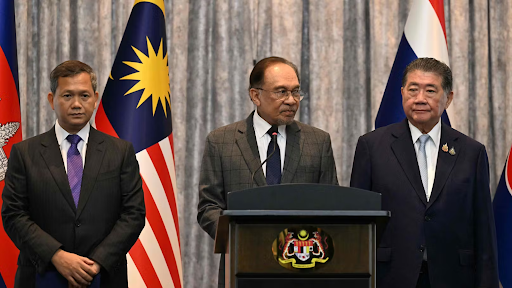
In a significant diplomatic breakthrough, Thailand and Cambodia have agreed to an unconditional ceasefire, pausing a deadly border conflict that erupted over disputed temple sites and hazy colonial-era demarcations. The recent flare-up claimed at least 36 lives and displaced hundreds of thousands, many of whom are still seeking shelter far from their homes.
For several days, the nations exchanged artillery fire while blaming each other for initiating the violence. Under mounting international pressure—particularly from neighboring Southeast Asian states and the United States—both sides entered talks brokered by Malaysia. The resulting agreement includes high-level military discussions and the formation of a joint committee to manage the fragile peace.
Yet, the road to lasting calm remains uncertain. In Cambodia’s Samraong, artillery blasts were still audible even after the ceasefire declaration, raising doubts about the deal’s immediate enforcement. Both militaries will now be under scrutiny as they try to uphold their promises.
The border crisis has rekindled painful memories of past clashes from 2008 to 2011. Citizens affected by the violence now hope that the newly formed diplomatic channels will be strong enough to turn temporary silence into permanent peace.