
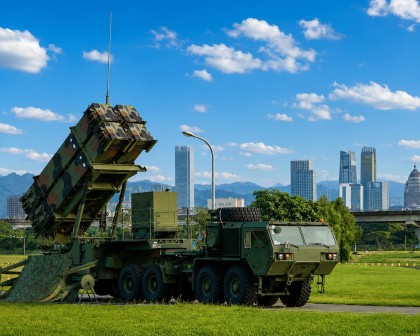
In a strategic move, the United States has instituted a temporary halt on arms sales to Taiwan, focusing on maintaining a sufficient reserve of military resources for operations related to the Iran conflict. This decision was announced by Acting Navy Secretary Hung Cao during a congressional hearing. Cao emphasized that the pause is aimed at preserving munitions essential for U.S. military activities, and reassured that foreign military sales would resume once deemed appropriate by the administration.
The suspension notably impacts a significant weapons package for Taiwan, which has been pending approval for several months. U.S. officials have noted that the final decision on this matter will be shaped by senior administration figures, including Secretary of State Marco Rubio and Defense Secretary Pete Hegseth. The lack of official communication regarding changes to the arms deal has prompted concern in Taiwan, especially in light of recent discussions between U.S. President Donald Trump and Chinese President Xi Jinping, where Taiwan reportedly featured prominently.
China has consistently opposed U.S. arms sales to Taiwan, viewing the island as part of its territory, and has issued repeated warnings against foreign support. Beijing has not ruled out the possibility of using force to assert its claims over Taiwan. The recent pause in U.S. arms sales has further exacerbated tensions, as Taiwan continues to navigate its diplomatic and security challenges.
Comments from President Trump have added to the uncertainty surrounding future U.S. support for Taiwan, as he described the weapons packages as potential “negotiating chips” in talks with China. Trump indicated that he would make a decision on the pending sales at a later stage. Despite the current pause in arms sales, the Taiwan Relations Act mandates that the United States provide Taiwan with defensive military equipment, underscoring the ongoing commitment to Taiwan’s security.