
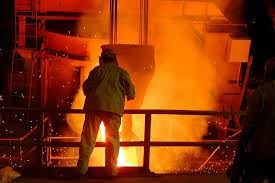
The push for net-zero has arrived at the heart of Britain’s steel industry. Business Secretary Peter Kyle has announced the government is “keen to see that transition happen” towards electric arc furnaces at the British Steel plant in Scunthorpe. This move represents a significant step in the UK’s efforts to decarbonise its heavy industries and meet climate change goals.
The technological difference is stark: the site’s current blast furnaces produce primary steel from iron ore but vent huge amounts of carbon dioxide. Electric arc furnaces (EAFs), by contrast, are far cleaner. They use large amounts of electricity to melt down scrap steel, bypassing the need for iron ore and a high-emissions process.
This green shift, however, comes with a potential trade-off. It directly challenges the future of the UK’s “primary steelmaking” capacity, which is entirely reliant on the very blast furnaces the new strategy seeks to replace. Unions and industry traditionalists are concerned that the UK could lose its ability to produce virgin steel from raw materials.
To address this, the government is exploring a high-tech compromise: investing in a separate facility to produce Direct Reduced Iron (DRI). This DRI, which can be made using clean hydrogen, is compatible with electric arc furnaces and would allow the UK to preserve its primary steelmaking ability with much lower carbon emissions.
The viability of this DRI solution remains uncertain, with industry sources casting doubt on its financial feasibility. The government’s new steel strategy, due in December, will need to clarify how it plans to fund this green transition, navigate the concerns of workers, and secure a deal with the plant’s legal owner, Jingye.