
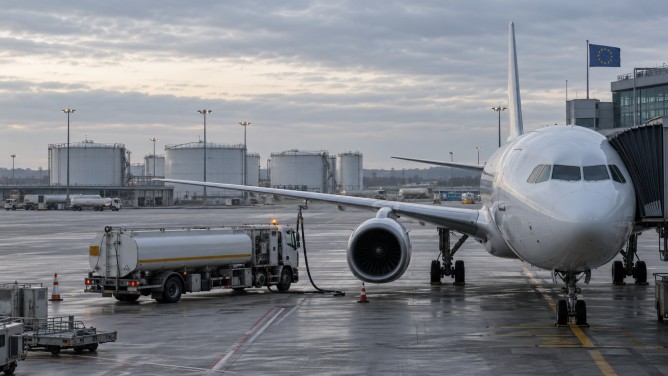
Europe is on the brink of a renewed jet fuel shortage, potentially impacting airline operations and ticket prices across the region. Despite rising imports from Asia and other major suppliers, jet fuel stocks in key European hubs like Amsterdam, Rotterdam, and Antwerp have plummeted to their lowest levels in seven years as of mid-September. Analysts warn that this could lead to a deficit of around 510,000 barrels per day in the fourth quarter of the year.
The situation is compounded by ongoing disruptions in global energy markets, particularly those linked to the conflict in the Middle East. Attacks on energy infrastructure in Saudi Arabia have further exacerbated the pressure on oil and fuel supplies, pushing prices upward in Europe. These factors collectively threaten to strain the availability of jet fuel, which is critical for maintaining steady airline operations.
While the Swedish Energy Agency reports that supplies of gasoline, diesel, and jet fuel remain stable, they acknowledge potential short-term constraints, particularly concerning aviation fuel. This concern is echoed across Europe, where dependency on imports has increased. Asian imports alone have surged to approximately 129,000 barrels per day in September, with additional supplies from Canada, Nigeria, and the United States providing some relief.
However, the rising imports have not been sufficient to offset the regional deficit entirely. The combination of low stock levels and external pressures creates a precarious situation for the European aviation sector in the coming months. Airlines and passengers alike may need to brace for potential disruptions or cost increases as the industry navigates these supply challenges.