
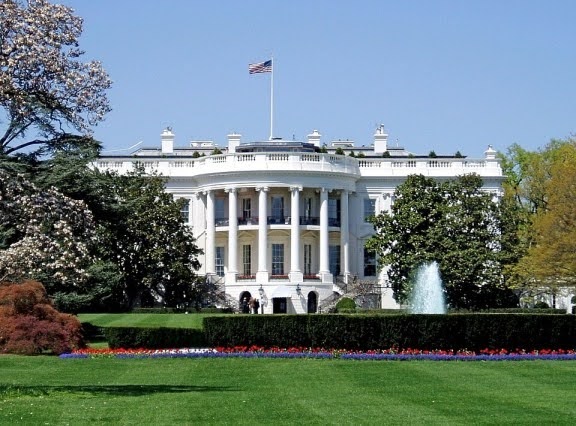
The White House has presented a new proposal that could reshape the landscape of federal grant funding by imposing stricter oversight measures. This initiative has sparked concern among researchers, universities, and nonprofit organizations as it mandates that all federally funded grants must align with presidential policy priorities, upholding what the administration refers to as “American values.” The proposal critiques previous funding programs for allegedly promoting ideological agendas misaligned with the majority of Americans’ views, leading to what it considers inefficient taxpayer money utilization. Under the proposed system, political appointees would have the power to review, amend, or terminate grants they find inconsistent with national interests.
Critics of the proposal express apprehensions that these changes could undermine the conventional peer-review process that evaluates scientific and academic research proposals. There is a fear among researchers that political factors might sway funding decisions, potentially impacting studies focusing on diversity, equity, gender issues, and other sensitive areas. The proposed rules also aim to restrict the allocation of federal funds to certain activities, such as some international collaborations and studies that examine discriminatory impacts on protected groups. Additionally, grant recipients may be subjected to more stringent reporting requirements, including the submission of long-term plans for conferences and research activities.
Many in the scientific and academic communities argue that such reforms could stifle innovation, curtail academic freedom, and diminish the United States’ competitiveness in the global research arena. They view the potential changes as a barrier to progress and a threat to the open exchange of ideas that fuels scientific advancement. On the other hand, supporters of the proposal believe that these reforms would ensure that federal funds are deployed in a manner that better represents national priorities and aligns with public interests.
The proposal is currently navigating the federal rule-making process, and if it gains approval, it could be implemented later this year. As the debate continues, the academic and research communities are closely monitoring the situation, weighing the potential impacts on their work and the broader implications for the nation’s scientific and educational landscape.