
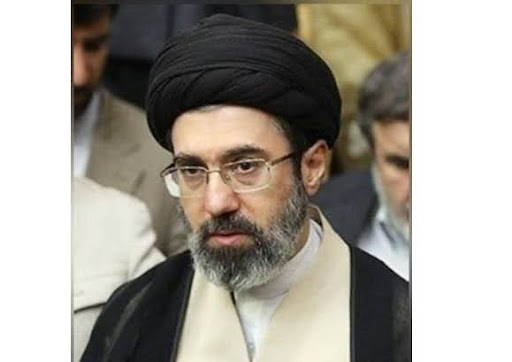
There is a deliberate symbolism in the appointment of Mojtaba Khamenei as Iran’s new supreme leader that extends beyond the practical considerations of governance and institutional backing. By choosing the son of the supreme leader that the United States and Israel killed in a joint strike on February 28, the Assembly of Experts has sent the clearest possible message to Washington and Tel Aviv: the assassination did not break Iran, did not change its direction, and will not go unanswered by the continuity of the ideology it sought to eliminate. Mojtaba Khamenei is, in this reading, as much a political statement as a governing appointment.
The 56-year-old cleric was confirmed by the Assembly in a vote described as decisive. He is the second son of Ayatollah Ali Khamenei and has spent his career as an informal power broker within the regime. Educated in Qom and reportedly a veteran of the Iran-Iraq war, he built his influence through relationships with IRGC commanders and hardline clergy rather than public office. He represents ideological continuity precisely because that is what the regime needed to project in the immediate aftermath of his father’s assassination.
The institutional endorsements were comprehensive and rapid. The IRGC, armed forces, parliament, and security officials all declared their loyalty within hours. The Houthi rebels celebrated enthusiastically. Iranian state media broadcast the full picture of institutional support. Missiles bearing Mojtaba’s name were shown in military broadcasts. The regime’s message was unambiguous: the Islamic Republic is intact, its ideology unaltered, and its military operations continuing.
Israel launched fresh strikes on Iranian infrastructure on Monday — its own response to the appointment, expressed in the language of military force rather than diplomacy. Iran struck five Gulf states simultaneously. Two civilians were killed in Saudi Arabia. Bahrain’s desalination plant was damaged. The IRGC threatened oil above $200 per barrel. Trump warned about Mojtaba’s durability without specifying what America would do.
The symbolic dimension of Iran’s choice of supreme leader does not resolve the practical challenges Mojtaba Khamenei faces. Symbolism cannot stop Israeli airstrikes, stabilize oil markets, or build governing experience where none exists. But it does clarify the Islamic Republic’s intent: this is not a regime preparing to negotiate from weakness. It is a regime that has chosen to honor the memory of its assassinated leader by continuing in his exact footsteps — and by making that choice as visible and unambiguous as possible.