
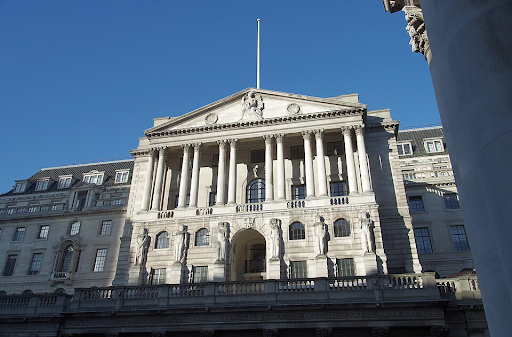
The timing of the Bank of England’s announcement couldn’t have been more scripted. By cutting rates to 3.75% just before Christmas, the Bank has handed retailers a potential lifeline. The High Street has been battered by a year of gloom, with the GDP contraction in October signaling a dire winter. Retail bosses are praying that the headline “Rates Cut” will turn browsers into buyers.
The logic is psychological. Shoppers who were worried about their mortgage resetting in January might now feel confident enough to splurge on gifts. The “wealth effect” of lower debt costs can be instant in terms of sentiment, even if the cash saving takes weeks to arrive.
However, the “cost of living” crisis runs deep. Food prices may have stabilized, but they are still 20-30% higher than two years ago. A 0.25% rate cut doesn’t reverse that cumulative loss of spending power. Many families are still prioritizing essentials over luxuries.
The “split vote” news also dampens the party. It reminds consumers that the economy is on a knife-edge. Cautious shoppers might save the windfall rather than spend it, leading to a “savings glut” rather than a “retail boom.”
If the Christmas trading figures are poor, it will confirm that the consumer recession is entrenched. But if they beat expectations, the Bank’s Santa Claus act will be credited with saving the season.