
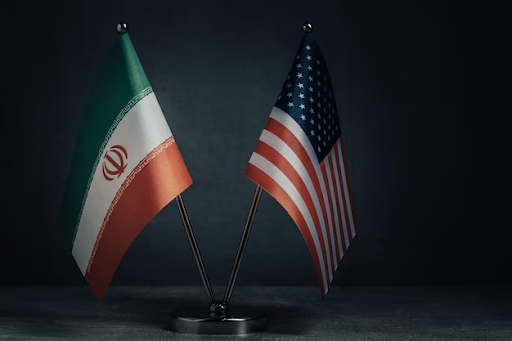
Understanding the current state of Iran-US nuclear diplomacy requires knowing not just what is being discussed in Geneva but also what has been explicitly placed beyond discussion. Tuesday’s second round of indirect talks, which ended with agreement on guiding principles, made both dimensions clear.
On the table: Iran’s stockpile of 60% enriched uranium, which Tehran offered to dilute as a confidence-building measure. The restoration of comprehensive IAEA inspector access to Iran’s nuclear facilities, including those damaged in recent US airstrikes. The duration and conditions of any temporary enrichment suspension. The broader verification framework that would govern any deal. And a possible non-aggression pact between Iran and the US.
Off the table, by Iran’s explicit declaration: its ballistic missile programme. Its relationships with and support for allied militia groups across the region. Its right to enrich uranium domestically — presented as a sovereign entitlement that no negotiation could extinguish.
Foreign Minister Araghchi confirmed after the three-and-a-half-hour session that both sides had agreed on guiding principles and would exchange draft texts before meeting again in about two weeks. He described the atmosphere as more constructive than the first round and expressed cautious optimism that progress was being made.
The US has its own list of demands that remain unmet: principally, the complete cessation of domestic enrichment and sweeping IAEA verification rights. Whether the items on Iran’s table and the items on Washington’s demands can be reconciled into a workable agreement is the central question that the next round of talks will need to address — against a backdrop of naval buildup, military exercises, domestic repression, and a supreme leader who simultaneously endorses diplomacy and threatens war.