
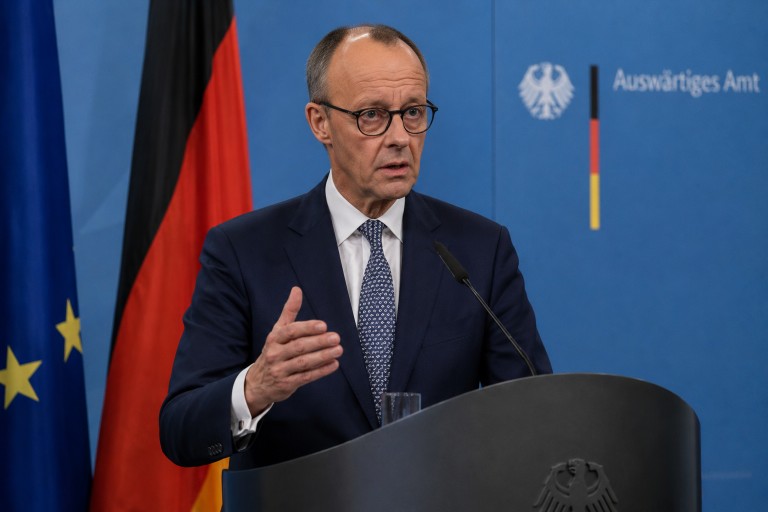
German Chancellor Friedrich Merz has issued a cautionary message to the United States, urging it not to meddle in Germany’s forthcoming state elections. This warning follows the recent announcement by the US State Department of a grants initiative aimed at supporting projects related to national sovereignty, migration, censorship, and the rule of law across Europe. The program, which offers grants of up to $3 million, has sparked apprehension among some critics who fear it could inadvertently bolster right-wing political movements in the region.
Merz emphasized that Germany refrains from intervening in American elections and expects reciprocal treatment from the United States. He highlighted that under German law, foreign funding for political parties is strictly prohibited. The Chancellor’s remarks underscore concerns about the potential implications of the US initiative on Germany’s political landscape.
In response to these concerns, the US State Department clarified that the grants are intended to promote democracy, human rights, and sovereignty. It also stressed that political parties are not eligible to receive funding from this program. This clarification aims to address the fears of those worried about the indirect advantages such funding could provide to specific political factions in Europe.
This development contributes to a broader context of tension between the United States and several European governments regarding political influence and the integrity of democratic processes. As the debate unfolds, it highlights the delicate balance of international relations and the importance of respecting national election processes.