
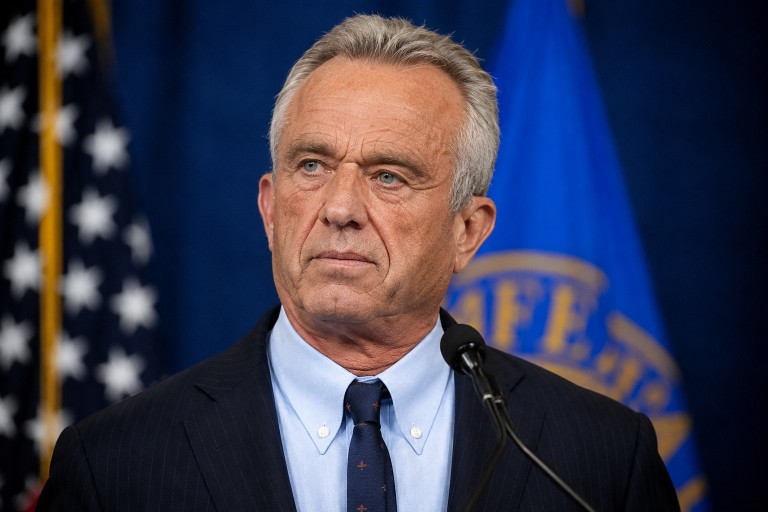
U.S. Health Secretary Robert F. Kennedy Jr. has emphasized the necessity of enhancing screening measures for Alzheimer’s disease, highlighting the critical importance of early detection. Despite this call to action, experts have expressed concerns over the stalled progress, largely due to the inactivity of a key federal advisory panel responsible for assessing preventive health strategies, which has not convened in over a year.
The scientific community is currently divided on the issue of routine Alzheimer’s screening for asymptomatic individuals, noting the lack of a comprehensive consensus. Researchers underscore the need for further scientific evidence before endorsing widespread screening practices. The pursuit of reliable and effective screening methods remains a top priority, with ongoing research deemed crucial to these efforts.
Concerns have also been voiced regarding interruptions in funding and delays in research initiatives, which have impeded the development of innovative diagnostic tools. Among these, promising blood-based biomarkers are being investigated for their potential to facilitate earlier detection of Alzheimer’s. Although several new tests are available for diagnosing patients who exhibit symptoms, experts advise caution, indicating these tests are not yet ready for routine application across the broader population.
Health officials affirm the U.S. government’s continued commitment to supporting Alzheimer’s research, along with programs aimed at enhancing diagnosis, treatment, and patient care. Nonetheless, researchers stress the importance of consistent funding and the formulation of policies grounded in evidence to ensure progress in the field. This steadfast support is seen as vital to advancing the understanding and management of Alzheimer’s disease.