
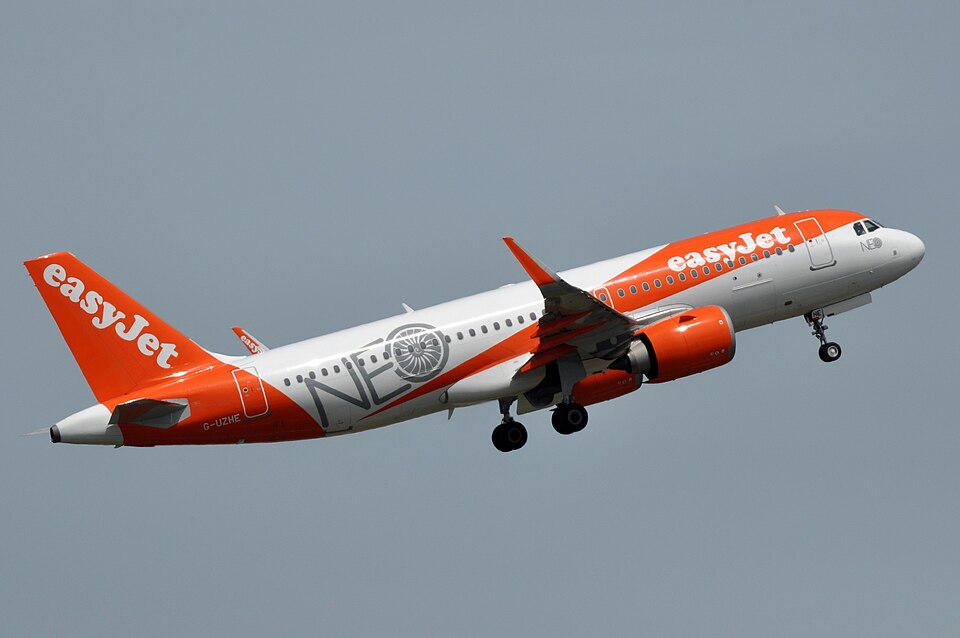
EasyJet has labeled a potential takeover bid by Castlelake, a U.S.-based investment firm, as “highly opportunistic,” asserting that the airline’s current market valuation does not accurately reflect its long-term potential. Castlelake, which has already acquired a 2.14% stake in the airline, announced plans to possibly bid for the low-cost carrier. The proposed offer places EasyJet’s valuation at a minimum of 403 pence per share, equating to an approximate total of £3 billion.
The airline attributes the recent dip in its share price to market uncertainty caused by Middle East tensions, which have affected consumer confidence and raised jet fuel costs. In response, EasyJet’s board expressed strong confidence in its financial health, growth strategy, and future profitability. The announcement of a potential bid saw EasyJet’s shares soar to their highest levels in three months, surpassing the proposed offer price. This rise suggests that investors might anticipate a higher bid or believe that the company is valued above Castlelake’s initial assessment.
Under UK takeover regulations, Castlelake has until June 26 to decide whether to proceed with a formal offer. However, analysts have pointed out potential regulatory challenges that could arise from such an acquisition. European Union rules mandate that European airlines must remain majority-owned and controlled by investors within the region, which might complicate a takeover by a U.S.-based firm.
EasyJet stands as one of Europe’s leading low-cost airlines, operating a broad network across the continent and employing over 16,000 people. It remains a significant player in the European aviation market. Castlelake, already active in the aviation sector through various investments and financing deals with several airlines, sees promise in EasyJet’s long-term earnings potential and market standing.
This development underscores the growing interest of international investors in UK-listed companies, many of which continue to trade at lower valuations compared to their counterparts in other major global markets.