
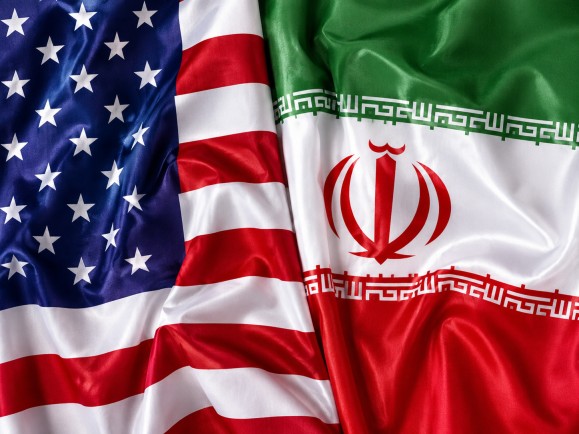
Amid rising criticism from Republican leaders, President Donald Trump has defended the ongoing negotiations with Iran regarding a potential agreement aimed at resolving conflicts and reopening the Strait of Hormuz. Trump emphasized that no final deal has been reached and assured that he is not rushing the process. He differentiated the proposed deal from the 2015 nuclear agreement established under former President Barack Obama, which Trump exited in 2018.
The proposed deal reportedly includes easing sanctions on Iran, granting access to billions in frozen assets, reopening the Strait of Hormuz, and initiating new talks on Iran’s nuclear program over the next two months. In exchange, Iran would commit to reducing regional tensions and halting conflict-related attacks. However, Iranian officials have indicated that the proposal still requires approval from the country’s highest leadership and national security entities, seeking clarification on specific terms before accepting the deal.
Central to the discussions are Iran’s enriched uranium reserves and the conditions for releasing Iranian funds currently held overseas. Reports suggest the U.S. seeks to link financial relief to advancements in nuclear negotiations. Israeli Prime Minister Benjamin Netanyahu has also engaged with Trump regarding the ceasefire’s conditions and Israel’s security considerations, while Iran insists that any ceasefire must be comprehensive, covering all fronts, including Lebanon.
Meanwhile, leaders from Gulf nations and the region have urged the U.S. to refrain from further military actions, warning that renewed hostilities could destabilize the region and harm the global economy. Despite these appeals, the potential agreement has been met with sharp opposition from Republican lawmakers and former officials, who argue that the proposal could empower Iran economically and politically. Critics caution that lifting sanctions and allowing Iran to resume oil exports could bolster Tehran’s regional influence without ensuring constraints on its nuclear aspirations.
In response to the backlash, Trump and senior U.S. officials have defended the diplomatic efforts, asserting that diplomacy remains the most viable approach to prevent Iran from developing nuclear weapons and to restore stability in the Gulf region.