
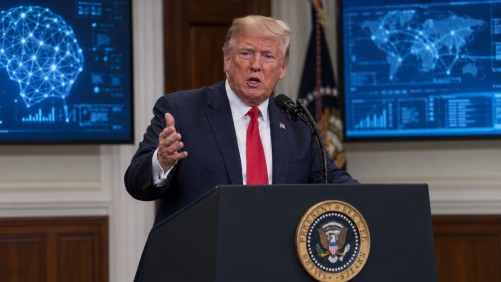
The United States is set to see significant changes in its approach to artificial intelligence (AI) governance, as President Donald Trump has announced plans to establish an “AI Force” reminiscent of the US Space Force. The initiative aims to keep a close watch on the rapid advancements in AI technology, reflecting the administration’s focus on maintaining competitive technological leadership, particularly against China.
This move comes amidst a broader international concern over the safety and ethical implications of advanced AI systems. Discussions have been intensifying as technology leaders and governments grapple with the dual challenge of fostering innovation while managing potential risks. Trump’s proposal includes appointing an AI czar, although details about the role’s specific duties or the timeline for these initiatives remain scant.
While Trump has been vocal about his opposition to heavy AI regulation, citing worries that it could stifle innovation and give China a competitive edge, he maintains that existing legal frameworks can address any malicious use of AI technologies. This stance underscores a significant policy debate within the US on how to balance economic competition and public safety with technological advancement.
The proposed federal initiative arrives on the heels of California Governor Gavin Newsom’s announcement of a panel dedicated to AI safety regulations, highlighting regional efforts to tackle similar issues. Meanwhile, Republican figures such as Florida Governor Ron DeSantis and Utah Governor Spencer Cox have also voiced support for stronger AI oversight and the need for federal measures to restrict the export of advanced technologies to China.
President Trump’s announcement reflects a growing awareness of AI’s potential to transform the economy, along with the need to manage its development responsibly. As AI systems become more autonomous and capable of performing complex tasks, the conversation around AI safety is expected to intensify both domestically and internationally.